







Search Results for: Geisha Red and Green Labels
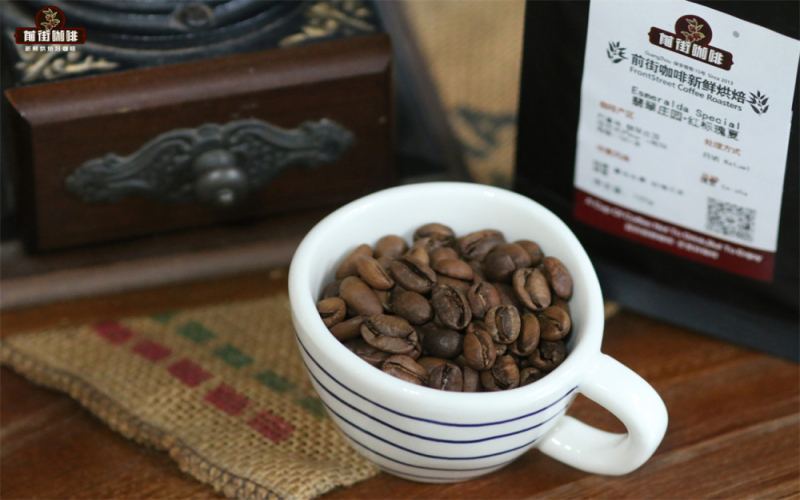
Analysis of the Grading Standards and Flavor Comparison of Panama Hacienda La Esmeralda Geisha Red, Green, and Blue Labels
Panama's Hacienda La Esmeralda Geisha coffee has been highly sought after in the specialty coffee world in recent years, but many coffee enthusiasts are confused when faced with its three grades: Red Label, Green Label, and Blue Label. What exactly do these three labels represent? What are the differences among them in altitude, plot, processing method, and flavor? This article starts with the history of Hacienda La Esmeralda and provides a detailed breakdown of the grading standards for Red Label (Esmeralda Special), Green Label (Private Collection), and Blue Label (Geisha 1500), along with their corresponding production plots and cupping performance. Combined with Front Street Coffee's brewing recommendations and flavor descriptions, it helps readers make a suitable choice based on their own needs. [more…]
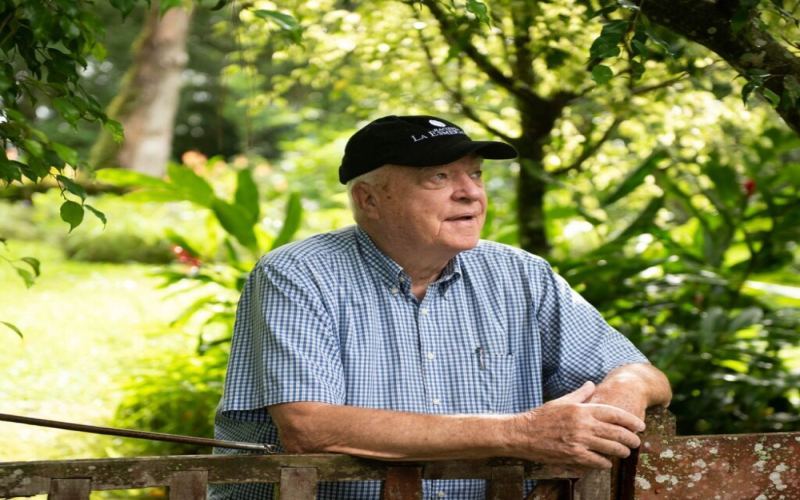
A Guide to Panama's Hacienda La Esmeralda Geisha Grades: A Full Breakdown of Blue, Green, and Red Labels and Plot Differences
Hacienda La Esmeralda in Panama is the starting point of Geisha coffee's journey to the world, and the most representative brand in the Geisha flavor experience. Faced with the Blue Label, Green Label, Red Label, and auction lots, many coffee lovers inevitably get confused: what exactly do these labels represent? And how do they relate to the different farms and plots within the estate? Front Street Coffee will guide you through the estate's farm distribution, plot divisions, and the evolution of its grading system, clarifying the differences between the Blue Label, Green Label, Red Label, and auction lots, and helping you make clearer judgments when purchasing Geisha. [more…]
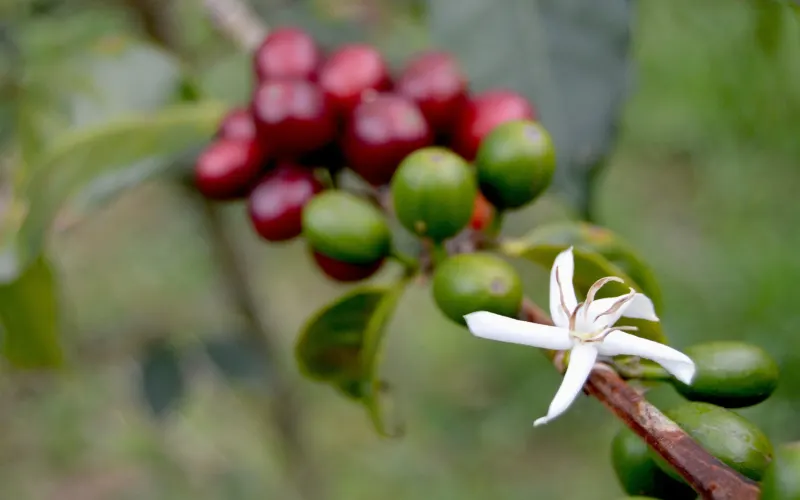
A Detailed Guide to Geisha Coffee Bean Varieties: Differences Between Panama Hacienda La Esmeralda's Red, Green, and Blue Labels and a Pour-Over Guide
Geisha is one of the most prestigious varieties in the specialty coffee world, conquering coffee lovers globally with its unique orange-blossom and honeyed notes. This variety was first discovered in the wild forests of Ethiopia, then made its way to Central and South America, until it was unearthed in 2003 by Hacienda La Esmeralda in Panama, ushering in the Geisha era. Hacienda La Esmeralda divides Geisha into multiple brands such as Red Label, Green Label, and Blue Label based on altitude and quality, each representing different grades and flavor profiles. In this article, Front Street Coffee will systematically sort out the variety's origins, growing characteristics, and the background of the Best of Panama competition, and provide a detailed comparison of the differences among Hacienda La Esmeralda's various label grades of Geisha. Finally, we include the pour-over parameters and step-by-step instructions for the Red Label Natural Geisha, helping coffee lovers gain a comprehensive understanding of this precious bean variety. [more…]
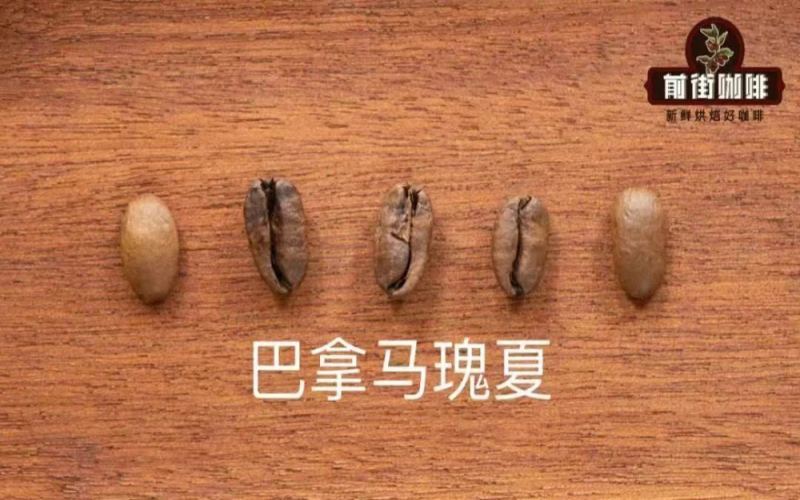
Tracing the Origin of Geisha Coffee Beans: Panama Emerald Estate Geisha Flavor and Interpretation of the Red, Green, and Blue Labels
Gesha coffee is hailed as the king of coffee, and the Geisha produced by Panama's Hacienda La Esmeralda is the benchmark among them. But do you know where the name Gesha comes from? And what are the differences between Red Label, Green Label, and Blue Label? From the perspective of Front Street Coffee, this article systematically sorts out the origin, growing conditions, and flavor performance of Panama Hacienda La Esmeralda Gesha, and analyzes one by one the characteristics and brewing suggestions of the Red Label auction lots, the Green Label private collection, and the original Blue Label lots. It will also briefly introduce the performance of Gesha from Colombia, Costa Rica, and other places, helping you understand this legendary coffee bean more comprehensively. [more…]
A Detailed Guide to Coffee Growing Altitudes and Green Bean Grading in Panama: Flavor Comparison of Hacienda La Esmeralda Geisha Red, Green, and Blue Labels
Panama, as an important origin of specialty coffee, is world-famous for the unique flavors of washed coffee produced in its western high-altitude regions. This article will guide you through the distribution characteristics of Panama's main coffee-producing regions and the impact of altitude on coffee quality. It will also provide an in-depth analysis of the red, green, and blue label grading system of Hacienda La Esmeralda Geisha coffee, with a focus on the origin information, processing methods, and classic flavor profile of Green Label Geisha, along with the detailed parameters of the Green Label Geisha recommended by Front Street Coffee. [more…]
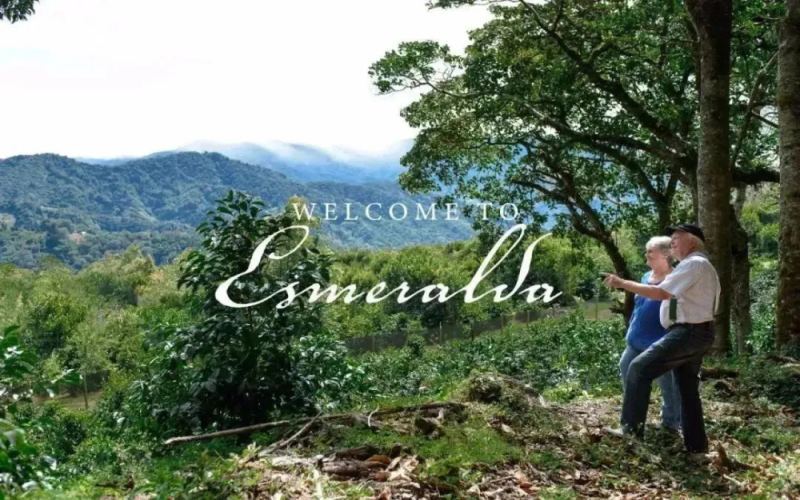
A Complete Guide to Hacienda La Esmeralda Geisha Grades: Why Was Blue Label Geisha 1500 Discontinued? What's the Difference Between Red, Green, and Black Labels?
Hacienda La Esmeralda in Panama, with its unique vision, discovered the potential of the Geisha variety, and through the Best of Panama (BOP) competition, made Geisha an overnight sensation. Since then, the Geisha produced by Hacienda La Esmeralda has remained a hot topic in the coffee world, with terms such as Red Label, Green Label, and Blue Label (Geisha 1500) frequently appearing. However, in recent years, "Geisha 1500" has gradually faded from view—why did it disappear? How many grading systems does Hacienda La Esmeralda currently have? This article will start with the layout of the estates under Hacienda La Esmeralda, systematically explain the grading logic and traceability rules of brands such as Red Label, Green Label, Black Label, and Diamond Mountain, and clarify the ins and outs of the discontinuation of Blue Label Geisha, helping coffee enthusiasts understand the full picture of Hacienda La Esmeralda's Geisha product line. [more…]
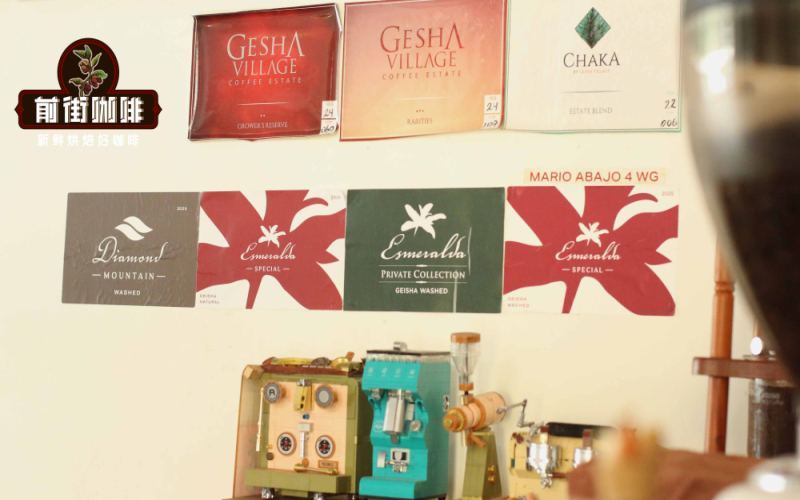
What are the differences between Gesha Village Gold Label and Panama Emerald Red Label? A clear explanation from variety and origin to flavor
Geisha enthusiasts often see two "labels" on Front Street Coffee's blackboard: Hacienda La Esmeralda Red Label and Gesha Village Gold Label. The former is 75 yuan per cup as pour-over, the latter 60 yuan per cup. Both represent the top-tier Geisha of their respective estates, yet few people examine closely the differences in naming logic, variety origin, terroir, and cup profile. Starting from the two beans currently sold at Front Street Coffee, this article sorts out the origins of the Chinese-context names "Red Label" and "Gold Label," traces the varietal relationship between Panama Geisha and Gesha Village's "Geisha 1931," compares the terroir conditions of Hacienda La Esmeralda's Boquete region and Gesha Village's Bench Maji region, and through actual brewing comparisons, presents the specific dry aroma and flavor performance of these two top-tier Geishas. [more…]
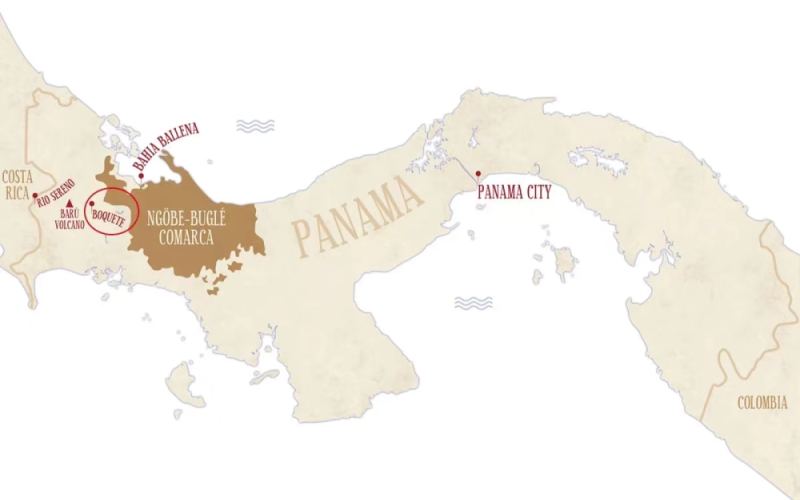
A Complete Guide to Hacienda La Esmeralda Geisha Coffee Beans: Flavor Differences Between Red, Green, and Blue Labels and Front Street Brewing Tips
Friends who often drink Geisha at Front Street Coffee frequently ask: what exactly are the flavor differences between Hacienda La Esmeralda's Red Label and Green Label? To truly understand Geisha, one must start with Hacienda La Esmeralda—it is both the discoverer and the promoter of Geisha's flavor. This article will guide you through the geographical advantages of Panama's Boquete region, the history of the Geisha variety's spread, and how Hacienda La Esmeralda turned a windbreak tree species into a star of the coffee world. It focuses on breaking down the definitions, altitude requirements, processing methods, and flavor characteristics of Red Label, Green Label, and Blue Label, and includes Front Street Coffee's actual photos and brewing parameters for Red Label and Green Label Geisha, helping you choose and taste more clearly. [more…]
What Exactly Do the Red, Green, and Blue Labels on Geisha Coffee Beans Mean? Flavor Differences Among Hacienda La Esmeralda Geisha Grades and a Buying Guide
Hacienda La Esmeralda is the benchmark origin for the Geisha variety, and its Geisha coffee beans are classified into three grades—Red Label, Green Label, and Blue Label—according to growing altitude and cupping performance, corresponding to auction lots, private collection lots, and select lots respectively. Red Label comes from the Jaramillo and Cañas Verdes estates at 1,600 to 1,800 meters above sea level, scores above 90 in cupping, and is sold only through the annual global auction; Green Label consists of micro-lots from the three estates and retains the classic Geisha flavor; Blue Label is a blend of beans from the three estates and is only washed processed. Front Street Coffee supplies exactly these three Geisha coffees from Hacienda La Esmeralda, where the juiciness of jasmine, melon, honey, and berries interweaves, showing a balanced yet subtle evolution from warm to slightly cool. This article will explain in detail the grading criteria, origin sources, and flavor characteristics of each grade to help coffee lovers make a choice based on their personal taste. [more…]
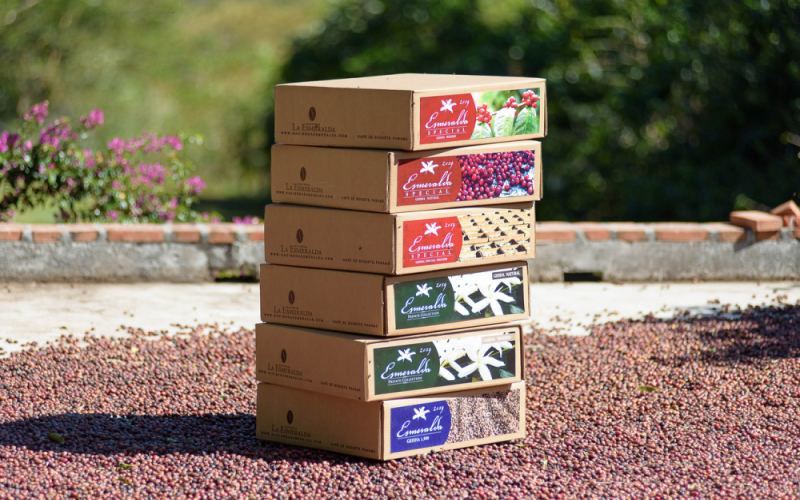
A Detailed Explanation of the Differences Between Panama Hacienda La Esmeralda Geisha Red Label and Blue Label: A Comprehensive Interpretation of the Grading System and Flavor Characteristics
Panama's Hacienda La Esmeralda Geisha coffee beans are famously renowned in the specialty coffee world, yet many coffee enthusiasts remain confused about the grade labels—Red Label, Blue Label, Green Label, and Auction Lot. How exactly does the Peterson family define these different labels? What quality standards and growing conditions does each represent? This article, from Front Street Coffee's perspective, systematically sorts out the grading logic of Hacienda La Esmeralda Geisha, explaining in detail the specific differences between Red Label and Blue Label in terms of altitude requirements, cupping scores, processing methods, and traceability information. It also includes Front Street Coffee's recommended pour-over parameters and brewing steps for Red Label, helping you truly understand the value of this top-tier Geisha. [more…]
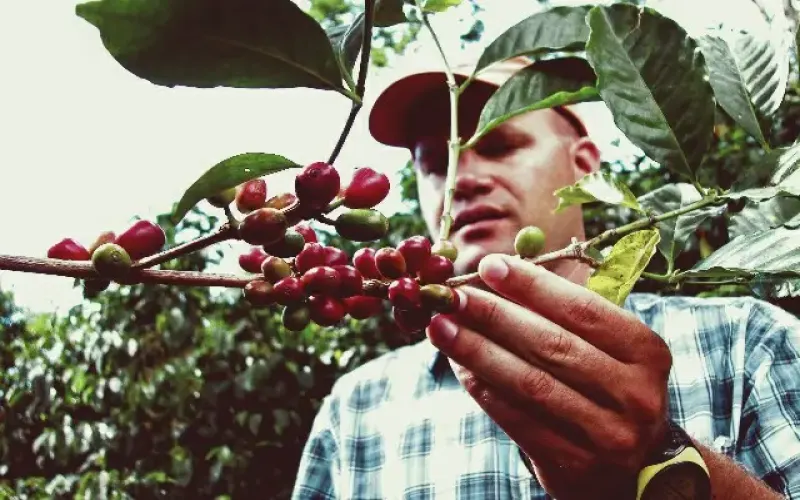
A Complete Guide to Geisha Coffee Grading: What Do Gold, Red, Green, and Blue Labels Mean in Terms of Quality Tiers?
Geisha coffee has been steadily rising in popularity in recent years, but faced with numerous grading labels such as auction, Gold Label, Red Label, Green Label, and Blue Label, many enthusiasts often feel confused. From the perspective of Front Street Coffee, this article systematically sorts out the origin and spread of the Geisha variety, using two major producing origins—the Gesha Village Coffee Estate in Ethiopia and Hacienda La Esmeralda in Panama—as clues to interpret one by one the classification standards, production proportions, flavor characteristics, and representative products of each grade of Geisha. At the same time, it includes the brewing parameters and flavor descriptions of two Red Label Geisha coffees from Front Street stores, helping readers make clearer judgments when purchasing and brewing. [more…]
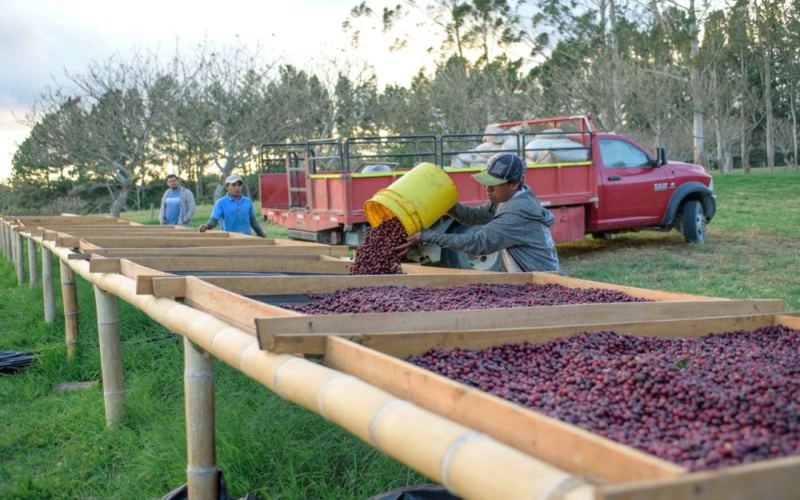
A Detailed Guide to Pour-Over Parameters for Panama Geisha: Flavor Exploration from Hacienda La Esmeralda's Red and Green Labels to Entry-Level Geisha
The reason Geisha has taken the world by storm owes much to the discovery and promotion by Panama's Hacienda La Esmeralda. After winning the BOP in 2004, the name Geisha spread across the globe, and its cup—with its rich floral aromas, citrus-and-peach-like sweetness and acidity, creamy smooth mouthfeel, and oolong tea-like finish—makes one feel as if they are drinking a fragrant fruit tea. This article will walk you through the differences between Hacienda La Esmeralda's Red Label and Green Label, their respective flavor profiles, and Front Street Coffee's recommended entry-level Panama Boquete washed Geisha, and share V60 pour-over parameters and staged extraction techniques to help you fully appreciate Geisha's delicate flavors. [more…]
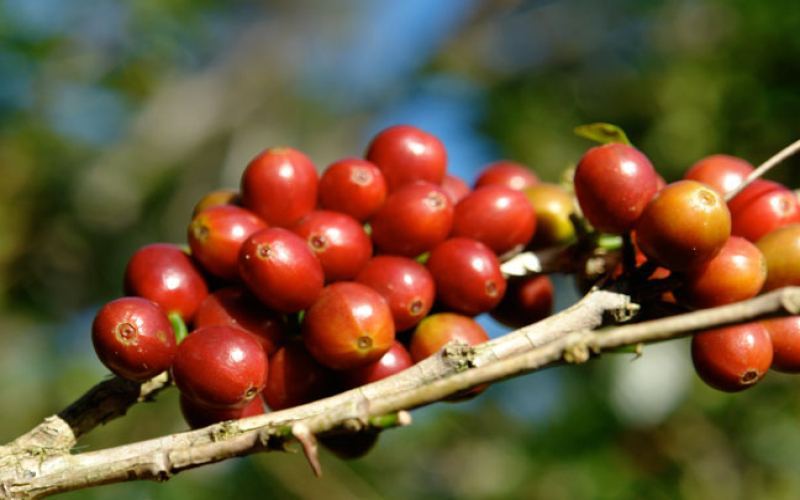
An In-Depth Analysis of Panama Hacienda La Esmeralda Geisha: Flavor Differences and Brewing Tips for Red, Green, and Blue Labels
Geisha has long been exalted by many coffee lovers, and Panama's Hacienda La Esmeralda is the starting point from which this variety rose to worldwide fame. This article traces the evolution of Hacienda La Esmeralda from Palmira Farm to a specialty coffee legend, explains in detail the specific differences among the three grades—Red Label, Green Label, and Blue Label—in terms of altitude, plot, processing method, and cupping performance, and includes information on the Geisha products currently sold by Front Street Coffee as well as staged brewing parameters, to help you sort out the basic logic of buying and tasting Geisha. [more…]
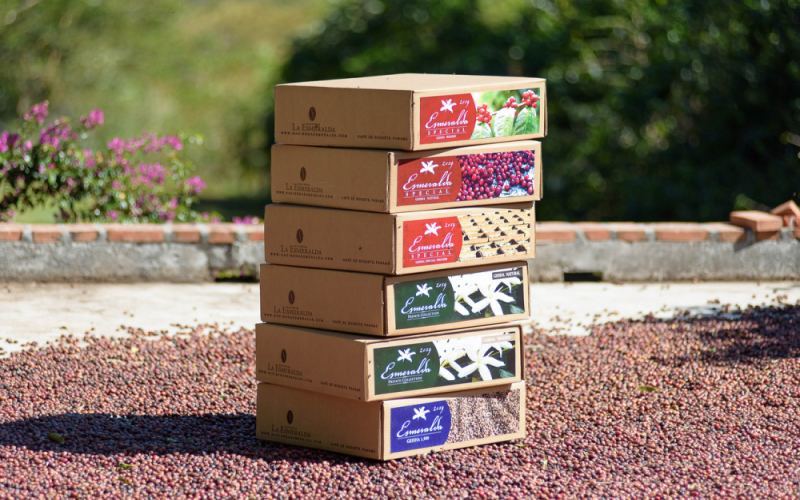
The Geisha Journey of Panama's Hacienda La Esmeralda: From Windbreak to the Detailed Grading of Red, Green, and Blue Labels
Hacienda La Esmeralda in Panama is the legendary birthplace of Geisha coffee, but its starting point was not Geisha. From the Peterson family's purchase of the estate in 1964, to the division of brands in 1973, and then to Geisha's spectacular debut in 2004, Hacienda La Esmeralda walked a path of discovery and grading. This article will outline the plot distribution of Hacienda La Esmeralda and the discovery journey of Geisha, and provide a detailed interpretation of the definitions, production areas, altitudes, and flavor differences of the three grades—Red Label, Green Label, and Blue Label—while also introducing the corresponding product information from Front Street Coffee, taking you through a comprehensive understanding of Hacienda La Esmeralda's Geisha grading system. [more…]
An In-Depth Analysis of Panama's Hacienda La Esmeralda Geisha: The Flavor Code of the Red, Green, and Blue Labels and Brewing Recommendations
Why has Geisha coffee become a legend in the specialty coffee world? As the estate where Geisha rose to fame, what exactly are the differences between Hacienda La Esmeralda's three grades: Red Label, Green Label, and Blue Label? This article will take you deep into the history of Hacienda La Esmeralda, the distribution of its three sub-estates, and the classification standards and flavor characteristics of each colored-label Geisha, along with Front Street Coffee's brewing suggestions and bean list recommendations. Whether you are a newcomer just getting to know Geisha or a seasoned enthusiast looking for your next favorite bean, this content will help you sort out the complete picture of Hacienda La Esmeralda Geisha. [more…]
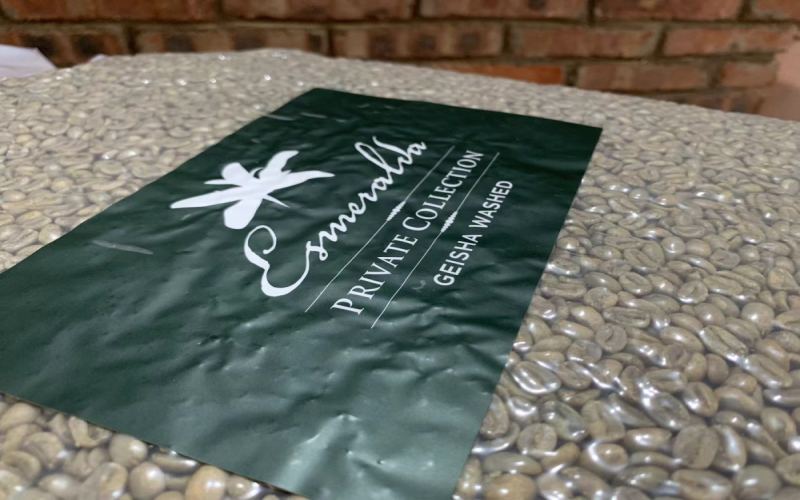
A Complete Guide to Panama Hacienda La Esmeralda Geisha Coffee: Grading Characteristics and Discovery History of Red, Green, and Blue Labels
Hacienda La Esmeralda in Panama is a legend in the specialty coffee world, and its Geisha coffee is renowned worldwide for its stunning floral and fruity aromas. This article provides a detailed analysis of the cultivation altitude, processing methods, flavor characteristics, and purchasing channels of Hacienda La Esmeralda's Red Label, Green Label, and Blue Label Geisha coffee beans, and reviews the complete story of Geisha from its discovery to fame. It also shares Front Street Coffee's roasting tests and cupping experiences with Green Label Geisha, as well as recommended pour-over brewing parameters, taking you on a comprehensive journey to understand the unique charm of this top-tier coffee. [more…]
A Detailed Guide to Panama Hacienda La Esmeralda Geisha Grades: Flavor Differences and Buying Guide for Red, Green, and Blue Labels
The Geisha coffee from Panama's Hacienda La Esmeralda is nothing short of a legend in the specialty coffee world, yet the differences between the Red Label, Green Label, and Blue Label often leave enthusiasts puzzled. This article begins with the estate's history, tracing how the Peterson family transformed a retired farm into a world-class coffee estate, then takes a deep dive into the growing altitudes, cupping standards, processing methods, and flavor profiles of the three grades of Geisha. Whether you want to understand what makes the auction lots so precious or are looking for a high-value everyday Geisha, Front Street Coffee's recommendations and brewing parameters can serve as your reference. [more…]
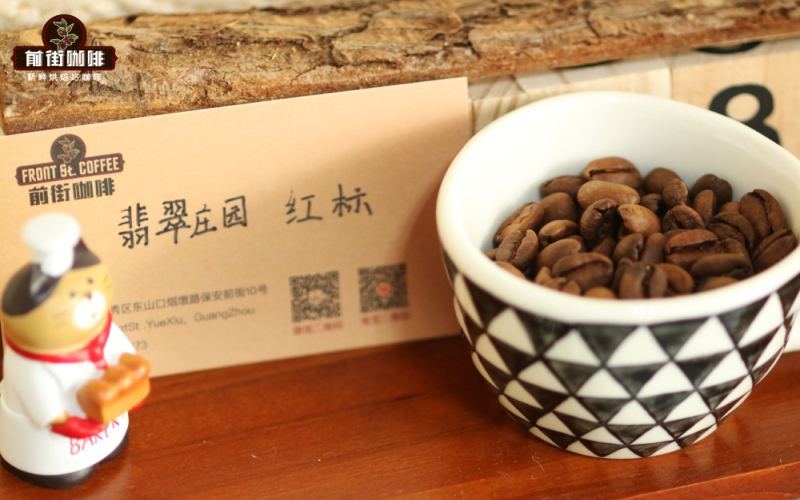
A Complete Analysis of Hacienda La Esmeralda Geisha Grades: Flavor Differences Between Red, Green, and Volcanic Rock Labels and Pour-Over Parameters Explained
Panama's Hacienda La Esmeralda rose to fame with Geisha at the 2004 Best of Panama competition, and was the first to establish a strict grading system. The three grades—Red Label, Green Label, and Volcan Rock (formerly Blue Label)—each correspond to different elevations, cupping thresholds, and processing methods, with distinct flavor profiles. Front Street Coffee's bean list features all three Esmeralda Geishas, and this article will go through the estate's grading logic, plot traceability, processing techniques, and light-roast approach one by one, along with the complete pour-over parameters and three-stage extraction steps for Front Street's Red Label Natural Geisha, to help coffee enthusiasts understand the flavor directions and extraction key points of different Geisha grades. [more…]
A Comprehensive Analysis of Gesha Village Estate Traceability and Label Grades: Differences Between Auction, Gold, Red, Green Labels, and Chaka Lots
Geisha coffee's popularity in the specialty circle endures, but many enthusiasts easily confuse the products of Panama's Hacienda La Esmeralda with those of Ethiopia's Gesha Village. Starting from historical origins, this article traces how Gesha Village was conceived by documentary director Adam Overton and his wife Rachel Samuel in 2007 during a filming trip, and how, under Willem Boot's guidance, they found native varieties in the Gori Gesha forest of Bench Maji. The article explains in detail the estate's five-tier grading standards—Auction, Gold, Red, Green, and Chaka—along with the microclimates and variety differences of each block, and includes Front Street Coffee's comparison of the roasting and brewing flavors of three beans: Red, Green, and Chaka, helping readers understand the Gesha Village system at a glance. [more…]
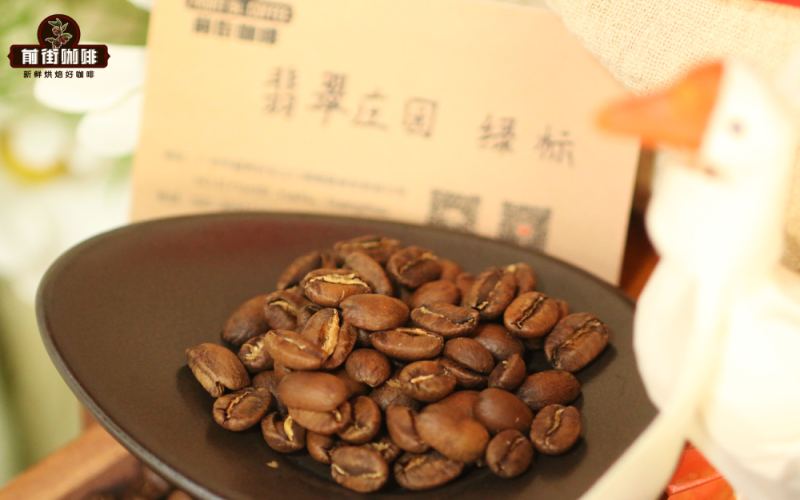
Panama Geisha Horizontal Comparison: Flavor Differences Between Hacienda La Esmeralda and Janson Estate Red/Green Labels and Brewing Recommendations
Many estates in Panama grow Geisha. Besides the famous Hacienda La Esmeralda, Hacienda Janson also produces high-quality Geisha. The two differ in geographical location, processing methods, and cupping performance. This article systematically compares Hacienda Janson with Front Street Coffee's Esmeralda Red Label and Green Label Geisha, covering terroir, harvesting and processing, grading systems, and actual flavor comparisons. It also includes reference parameters for pour-over brewing, helping coffee enthusiasts understand the subtle differences between sun-dried Geisha from different estates and find the one that suits their taste. [more…]